Free walkthrough · by ConsumerConnect
How to run a research interview, at your level
For anyone who talks to customers to learn from them: brand and insights teams on home visits, moderators, UX researchers, founders on Zoom. Pick a path. Each one walks the same stages, from planning to write-up, at the depth you need.
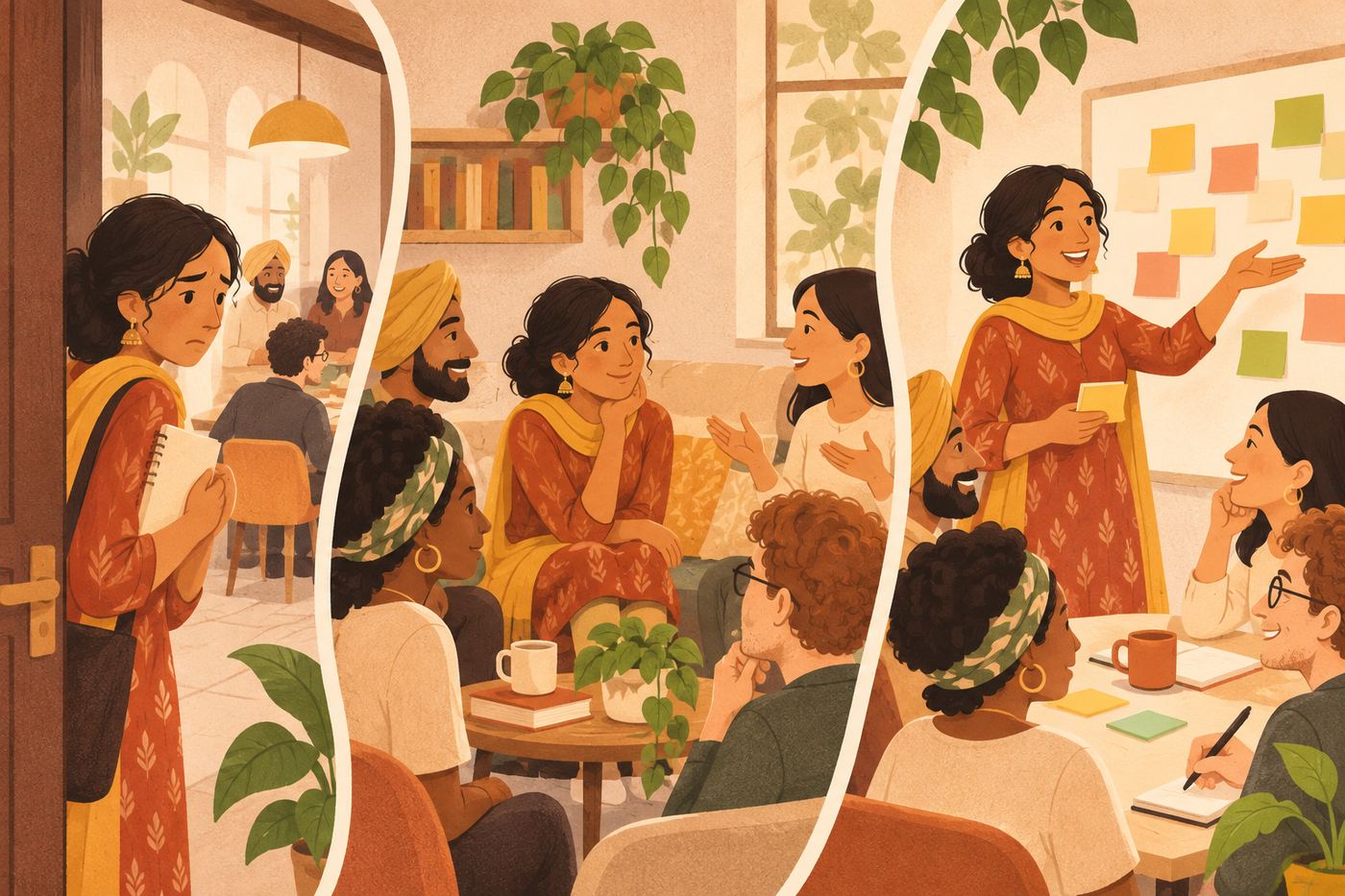
Choose your path
Not sure where you fit? Take the two-minute check.
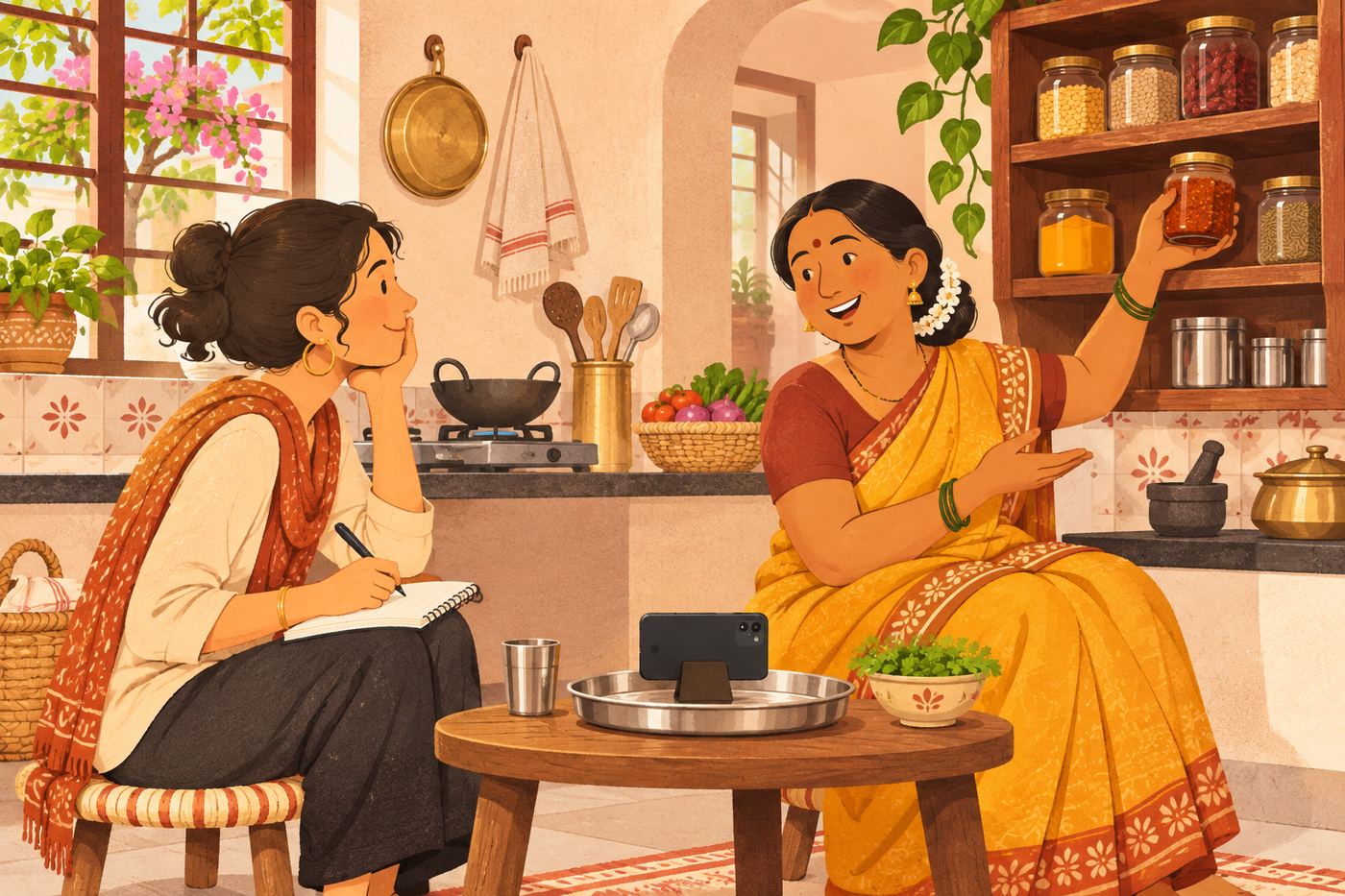
Your first interviews, done properly
You've run fewer than ten interviews, or never listened back to one.
- A 20-minute plan and a 30-minute guide
- Consent in English and Hindi
- “The last time” and 12 question swaps
- Six probes, and what to write within the hour

Interviews that hold up
You interview regularly and want findings a team will trust.
- Screeners and how many is enough
- Homes, shops, video, groups, B2B
- Critical incidents and switch stories
- Codebooks, prompted vs unprompted, heard / means / do
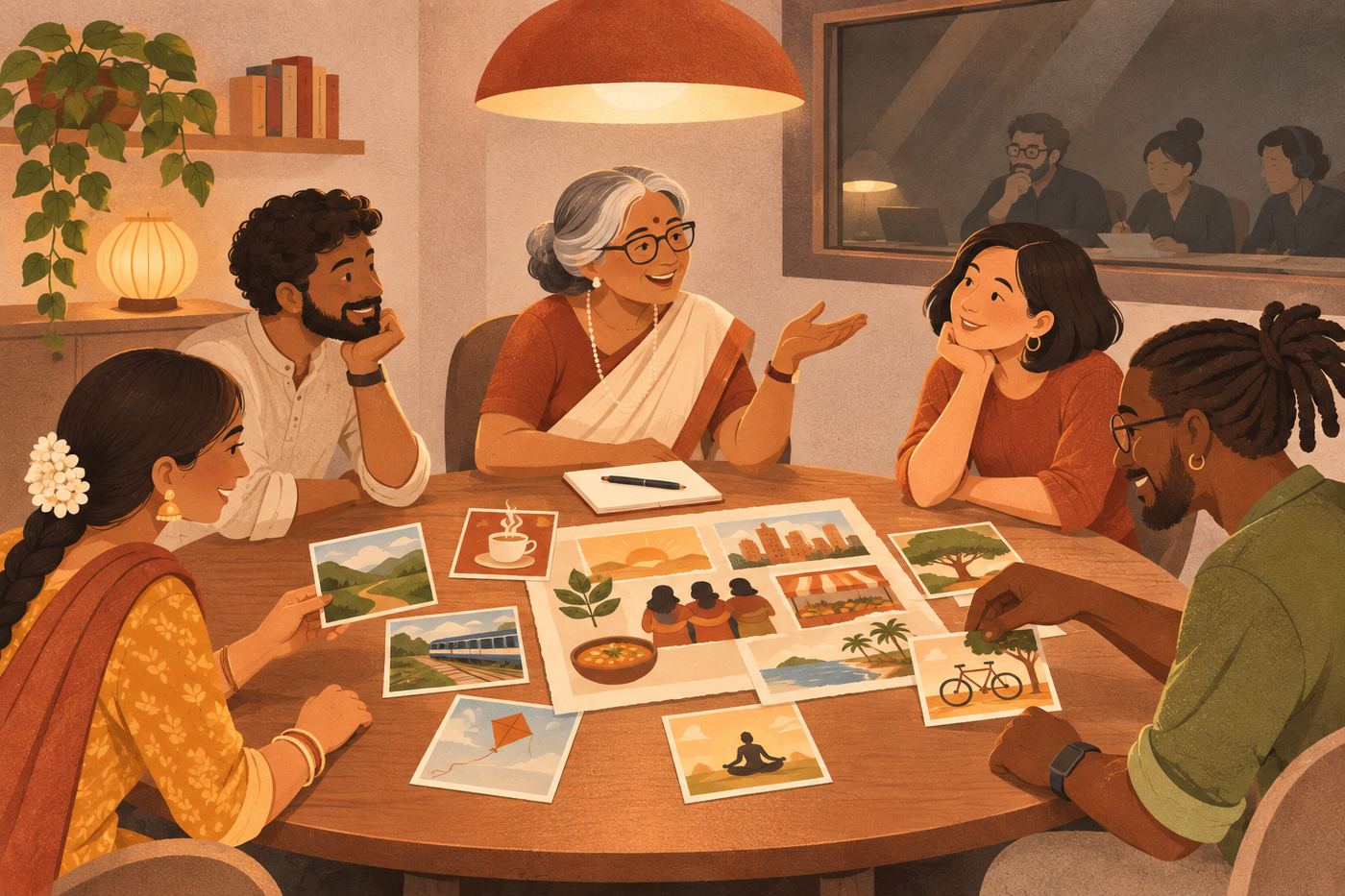
Design, technique, defence
You run studies end to end and coach others.
- Sampling and stopping, said honestly
- Projective methods, laddering, four forces
- Children, sensitive topics, interpreters
- Reflexive analysis and checking AI output
Two-minute check
Where should you start?
Eight questions, from basic to expert. Answer honestly; nothing is saved or sent.
What changes from path to path
Every path follows the interview in order. What you learn at each stage gets deeper.
| Stage | Beginner | Intermediate | Advanced |
|---|---|---|---|
| Plan | One decision, three to five guesses, five or six people per type | Screeners with decoys, the evidence on how many, a 60-minute guide, incentives | Purposive samples, negative cases, stopping reasons, observers |
| Open | Consent on tape, the “I didn't make it” line | Who's in the room, home and shop etiquette, video set-up | Consent for AI tools, DPDP and GDPR, small-world anonymity |
| Ask | “The last time”, five bad question types, 12 swaps | Critical incidents, the Mom Test, switch timelines, 12 more swaps | Projective and enabling methods, laddering, four forces, cognitive interviews |
| Listen | Silence, her words back, flat reactions | The full probe kit, say–do gaps, notes in three columns | Power in the room, interpreters, sensitive and child interviews |
| Show | Bring the pack; “show me” | Stimulus without “do you like it”, rotation, price questions | Card sorts, trade-offs, diaries, artefacts |
| Make sense | Five lines within the hour; no quote, no claim | Debriefs, multilingual transcripts, codebooks, heard / means / do | Reflexive thematic analysis, insight vs finding, audit trails, AI checks |
Rate yourself on your recordings
For each skill, pick the column that's true most of the time on your recordings, not in your memory. Between two, take the lower. We wrote this rubric from practitioner and academic sources; there is no published industry standard for interviewing skill.
| Skill | Beginner | Intermediate | Advanced |
|---|---|---|---|
| Preparation | Has a question list; tests the recorder. | Turns the business question into research questions; pilots the guide. | Maps guesses to what would disprove them; matches method to question. |
| Rapport and consent | Introduces, explains, gets consent. | Builds ease in five minutes; handles the household; gets her own voice. | Recovers a tense start; negotiates privacy; holds ethics under client pressure. |
| Question wording | Mostly open; slips into closed and double questions. | Short, neutral, one topic; “the last time” over “usually”. | Neutral without effort; uses her vocabulary; questions can't be answered with a pleasing line. |
| Listening | Thinks of the next question while she talks; fills silences. | Leaves three to five seconds; notes what wasn't said. | Uses silence to deepen; returns later to her exact words. |
| Probing | “Why?” when answers are short. | Probes for specifics, examples, contradictions; follows a thread and returns. | Probes behaviour, reason, emotion, context; explores say–do gaps gently; knows when to stop. |
| Observation | Looks around; notes little. | Asks to see the shelf, the app; photographs with permission. | Treats the setting as evidence; notices what it contradicts. |
| Bias awareness | Knows leading questions exist; reacts with “great!”. | Catches own leads in the moment; neutral tone. | Names own biases before fieldwork and designs around them. |
| Capture | Notes from memory later. | Minute marks; the one-hour note; same-day debrief. | One capture system across a team; said / saw / think kept apart. |
| Analysis | Lists what each person said; quotes the best lines. | Codebook, themes, counts with denominators, dissent reported. | Claims others can audit; finding vs insight; counter-evidence checked. |
| Reporting | Summarises in a document. | Topline and deck with heard / means / do; quotes with ID and minute. | Frames the answer around the decision; says what the research can't tell. |
| Ethics and data | Gets consent; keeps files in one folder. | Anonymises, limits sharing, follows retention rules. | Designs consent, retention and deletion into the study. |
| Language | Interviews in a comfortable language. | Handles code-switching; checks translations. | Reads register and dialect; briefs and debriefs interpreters. |